8 Anti-Inflammatory Juice Recipes Backed by FDA Guidelines

Inflammation can be tricky to notice. It can show up as tired mornings, bloated afternoons, and joints that don’t bounce back like they used to. Then one day, you realize your baseline doesn’t feel as good as it used to.
For me, adding anti-inflammatory juices was an easy way to do something about it. And that’s because a lot of what your body needs to fight inflammation is already in your kitchen: ginger, leafy greens, berries, and citrus. And when you juice them right, your body gets what it needs in a way that’s easy to absorb.
And, using a machine that keeps nutrients intact makes all the difference.
TL;DR
If you’re just here for the highlights, here’s what you need to know:
Anti-inflammatory juices use ingredients such as turmeric, ginger, leafy greens, and berries.
These ingredients are rich in natural compounds (like polyphenols and flavonoids) that help your body manage inflammation.
The way you make juice matters. High-speed machines create more heat and oxygen, which can break down nutrients faster.
Cold-pressed juice, made with slow-extraction methods, holds up better, nutritionally and taste-wise.
You can store fresh juice for about 2-3 days in the fridge if you keep it airtight and cold.
These recipes follow the latest FDA guidelines by cutting added sugars and focusing on whole, plant-based ingredients.
The real benefits of these juices come from consistency.
What Makes a Juice Anti-Inflammatory?
The short version? It comes down to the ingredients and how they work together. An anti-inflammatory juice includes foods that are naturally rich in antioxidants, plant compounds, and enzymes that help your body calm down internal inflammation.
Also, these same foods line up with the new FDA dietary guidelines. So, fruits and vegetables that are high in nutrients, low in added sugars, and easy to include daily.
That means that if you start juicing, you’re following solid science and making it easy on yourself in the process.
Let's see why:
The Compounds That Do the Work
When I build a juice, I look for ingredients with a purpose. These are some of the compounds that show up again and again in research:
Polyphenols: Found in berries, citrus, and even herbs. They can act as antioxidants and may help protect your cells from damage.
Curcuminoids: The active compounds in turmeric. These have been shown to help regulate the body’s inflammation response, especially when paired with black pepper.
Flavonoids: You’ll find these in green apples, berries, and leafy greens. They can support your immune system and may reduce inflammation over time.
Plant enzymes: Fresh produce contains natural enzymes that can help your body digest food better and absorb more nutrients.
Chlorophyll: That deep green pigment in spinach, kale, and parsley. It’s linked to detox support and overall cellular health.
You don’t need to memorize them. Just know that the ingredients you’ll see in the recipes ahead are packed with these compounds.
Ingredients That Naturally Bring These Benefits
Here’s how I think about it: the simpler the combo, the better. These are the foods I use most often in anti-inflammatory juices, grouped by what they bring to the table.
Medicinal roots
Turmeric and ginger are the foundation. They’ve been studied for their ability to reduce pain, support digestion, and calm inflammation without side effects. Ginger, in particular, can act similarly to over-the-counter anti-inflammatories, so I always make sure to add it to my anti-inflammatory juices.
Leafy greens
Spinach, kale, and parsley are all packed with chlorophyll, fiber, and a wide range of micronutrients. They help balance out sweeter fruits and add more depth to your juice.
Functional fruits
Pineapple (thanks to bromelain), tart cherries (shown to reduce gut inflammation), and berries (loaded with polyphenols) all add flavor and function.
Supporting players
Lemon, celery, and carrots bring brightness, hydration, and a good hit of vitamin C. They round things out and make juices easier to drink every day.
Once you start doing this, you’ll never wish for a premade juice again.
And there is really no perfect combination. If you stick to greens, roots, and a bit of fruit, you’re already on the right track. Keep it simple, and consistency will do the rest.
If you’re struggling to figure out which ingredients to put in your juicer, this video walks you through simple combinations that you can start using right away:
Why the Juicing Method Matters More Than Most People Realize
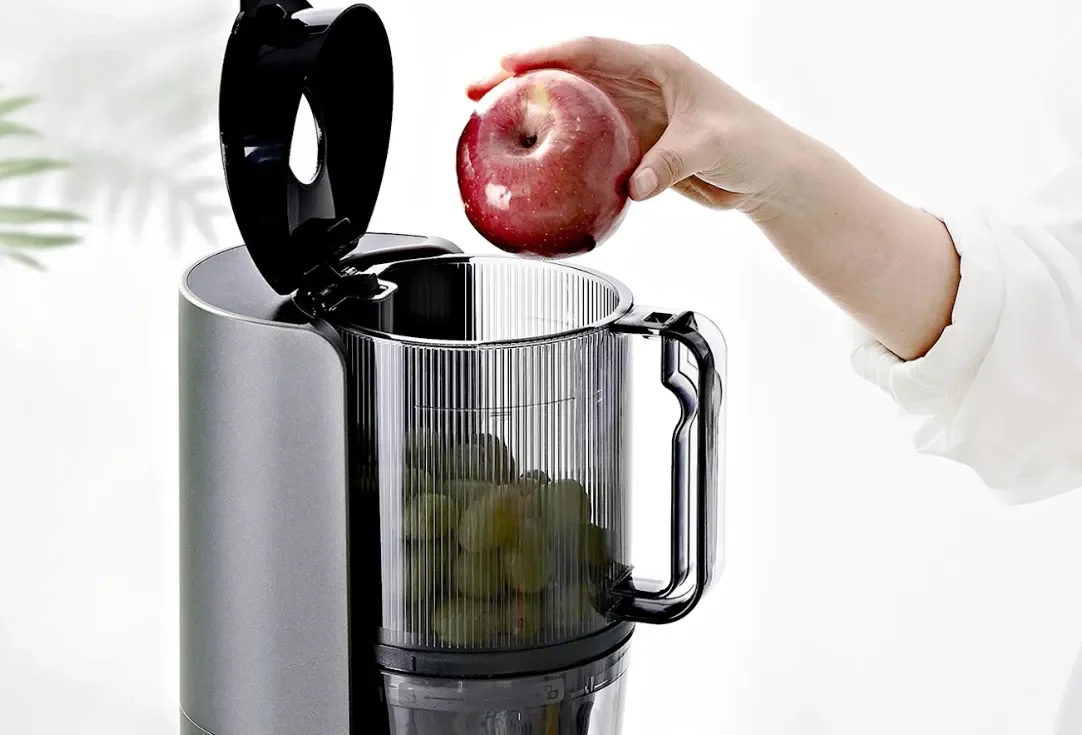
Before getting into recipes, there’s something we need to cover that is often overlooked: how you make your juice affects what you get out of it.
It might not seem like a big deal. Juice is juice, right? But when you start juicing regularly, the difference becomes clear.
Heat and Oxidation
Not all juicers work the same way. Some rely on high-speed blades that spin fast to extract juice. However, this speed has its drawbacks.
More speed means more air gets mixed in. That increases oxidation, which can break down sensitive nutrients faster. It also creates more foam and separation.
There’s also heat. Even if it’s not extreme, the friction from fast-moving blades can raise the temperature enough to affect compounds like vitamin C.
This doesn’t mean those machines don’t work. They do, but the quality of the juice can change depending on how it’s made.
Why Slow Extraction Helps
Instead of cutting ingredients with blades, slow juicers press them. The process is more controlled, with less heat and less exposure to air. That helps preserve more of the nutrients you’re trying to get in the first place.
From what I’ve seen, the method also changes the texture. The juice is stable, less separated, and closer to what you’d expect from fresh ingredients.
There’s also the yield. Slow extraction tends to get more juice out of the same produce, especially with ingredients like leafy greens or roots. Over time, that makes a difference.
This technique is one of the reasons I stick with a slow juicer. Something like a Hurom works well here because it keeps the process simple while still protecting the quality of the juice. You don’t have to overthink it, but you do notice the difference.
How Long Does Fresh Juice Last?
Once your juice is ready, storage becomes the next factor to consider.
Fresh juice doesn’t last forever, but it doesn’t need to be consumed immediately either. If you store it properly (in an airtight container, filled, and kept cold), it can stay fresh for about 2 to 3 days.
Some sources even suggest that cold-pressed juice can last up to 5 days under the right conditions, but I usually aim for sooner. The closer you drink it to when it’s made, the better it tastes and the more nutrients it retains.
One small habit that helps is minimizing the amount of air inside the container. Less oxygen means slower oxidation, which helps preserve both flavor and quality.
Pro Tip: If your recipes include leafy greens, beetroot juice, or ginger, a masticating juicer tends to handle them better than centrifugal juicers. You can explore different options in Hurom’s catalog and choose the perfect one for you.
8 Best Anti-Inflammatory Juice Recipes
Once you get familiar with the ingredients and how to combine them, the process of juicing is easy and, in my opinion, kinda satisfying. You start making juices that make sense for you, your routine, and as a bonus, they can taste delicious.
That’s precisely what you’ll see in the recipes below. A strong focus on vegetables, antioxidant-rich fruits, and simple combinations that fit well within current FDA dietary guidelines. And all that without added sugars and extras, because you don’t need them.
Golden Glow Juice (Turmeric + Citrus)
A bright, slightly spicy juice that works well in the morning.
Why it works: This one is made with a classic combination of turmeric, ginger, and citrus. Curcumin from turmeric can help regulate inflammation, while citrus adds vitamin C and compounds that support immune function.
Ingredients:
1 orange (peeled)
1/2 lemon (peeled)
1-inch fresh turmeric root
1-inch fresh ginger root
1 carrot
Preparation: Wash everything well. Run the ingredients through your juicer, alternating soft and dense items to keep the flow steady. Stir before drinking.
Green Recovery Juice (Leafy Greens + Celery)
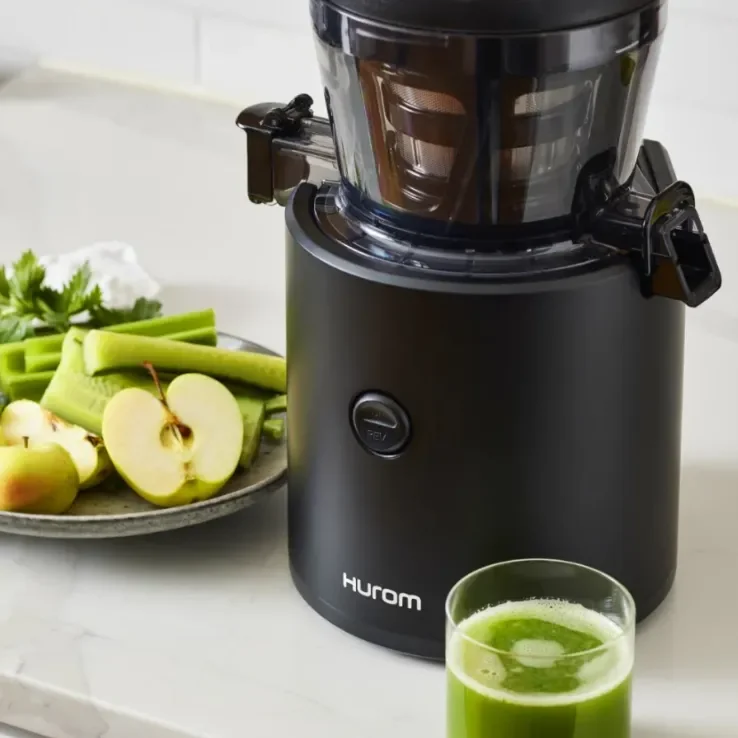
Light, refreshing, and easy to keep in your routine.
Why it works: Leafy greens bring chlorophyll and a wide range of micronutrients. Celery adds hydration and helps balance the flavor without adding too much sugar.
Ingredients:
2 cups spinach
2 celery stalks
1 green apple
1/2 lemon (peeled)
Preparation: Start with the greens, then alternate with celery and apple. Finish with lemon to brighten the flavor. Mix well before serving.
Joint Relief Juice (Pineapple + Ginger)
A slightly sweet option that still keeps things functional.
Why it works: Pineapple contains bromelain, an enzyme linked to reduced inflammation and improved recovery. Ginger can support joint comfort and help with digestion.
Ingredients:
1 cup pineapple chunks
1-inch ginger root
1 cucumber
1/2 lemon
Preparation: Feed the pineapple and cucumber first, then add ginger and lemon. This helps keep the extraction smooth and consistent.
Deep Red Circulation Juice (Beet + Carrot)
Earthy, slightly sweet, and packed with color.
Why it works:
Beets are rich in nitrates, which can support blood flow and cardiovascular health. Carrots add antioxidants and natural sweetness without overpowering the mix.
Ingredients:
1 medium beet
2 carrots
1 apple
1/2 lemon
Preparation: Cut ingredients if needed. Alternate between beet, carrot, and apple to reduce strain on the juicer. Add lemon at the end.
Tart Recovery Juice (Cherry + Berry)
Smooth, slightly tart, and refreshing after a long day.
Why it works: Tart cherries and berries are rich in anthocyanins, which can help reduce oxidative stress. Some studies have even shown improvements in gut inflammation markers with regular intake.
Ingredients:
1 cup tart cherries (pitted)
1/2 cup mixed berries
1 apple
1/2 lemon
Preparation: Start with the softer fruits like berries and cherries, then add the apple and lemon. This helps keep the juice flowing without clogging.
ABC Detox Juice (Apple + Beet + Carrot)
Simple, balanced, and one of the easiest combos to stick with.
Why it works: This classic mix brings together antioxidants, natural sweetness, and compounds that support circulation and digestion. It’s a simple, beneficial everyday option, and one of my favorites.
Ingredients:
1 apple
1 beet
2 carrots
1/2 lemon
Preparation: Alternate between apple, beet, and carrot. Finish with lemon. Stir before drinking to keep the texture even.
Tropical Bromelain Juice (Pineapple + Cucumber + Mint)
Fresh, hydrating, and a good option when you want something lighter.
Why it works: Pineapple provides bromelain, while cucumber adds hydration and helps keep the juice low in sugar. Mint gives it a clean finish without adding anything heavy.
Ingredients
1 cup pineapple
1/2 cucumber
A handful of mint leaves
1/2 lime
Preparation: Juice the cucumber and pineapple first, then add the mint and lime at the end. Mix gently before serving.
Green Zinger Juice (Spinach + Celery + Parsley)
Clean, slightly sharp, and more on the savory side.
Why it works: This one leans heavily on greens, which means more chlorophyll and less sugar. Parsley adds an extra layer of antioxidants and supports detox pathways.
Ingredients:
2 cups spinach
2 celery stalks
A handful of parsley
1 green apple
1/2 lemon
Preparation: Start with leafy greens, then rotate with celery and apple. Add lemon last to balance the flavor.
When you try all of these anti-inflammatory juices and fall in love with them, check out our other healthy and tasty juice recipes for even more ideas on how to rotate ingredients and keep it interesting.
How I Turn Juicing Into a Simple Habit
In my experience, you don’t need to juice five times a day or follow some kind of strict plan. Keeping it simple is what makes it sustainable.
How Often Do People Drink Anti-Inflammatory Juice
There’s no single way to do it, but a few patterns tend to work well.
Some people start their day with a fresh juice as an easy way to get nutrients in early, especially if mornings are rushed. Others use it after workouts, because ingredients like pineapple and ginger can support recovery and help with muscle soreness.
You can also do short resets. They’re not really cleanses, just a few days of focusing more on vegetables, hydration, and lighter meals. Juice fits naturally with that.
What matters more than timing is consistency. Even a few times per week can make a difference if you stick with it.
The Ingredient Balance I Like to Follow
One thing that helps keep juices effective (and not overly sweet) is balance. I usually build them around three parts: greens, roots, and a small amount of fruit.
Leafy greens form the base: They keep sugar levels lower and add most of the micronutrients.
Then come the roots: Like ginger or turmeric. These bring the anti-inflammatory compounds that provide the juice its purpose.
Fruit comes last: Apples, pineapple, or berries help make the juice easier to drink, but I try not to overdo it.
This kind of structure keeps everything more consistent. You still get something that tastes delicious, but it doesn’t turn into a sugar-heavy drink.
A Simple Way to Stay Consistent with Anti-Inflammatory Juicing
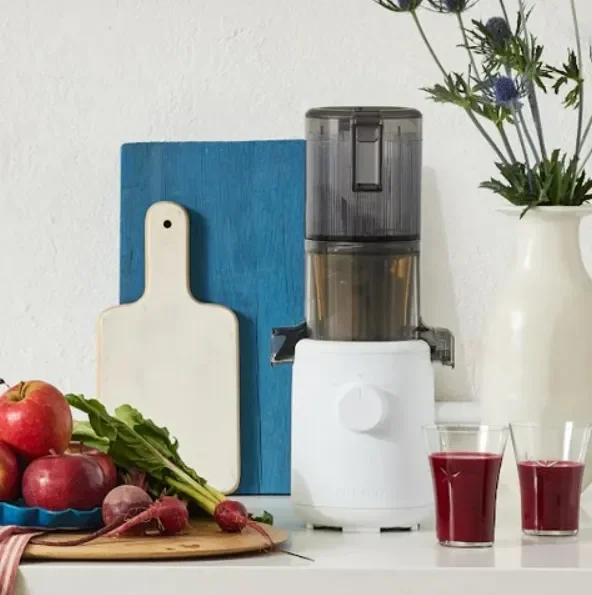
Reducing chronic inflammation comes from what you repeat over time. That’s where fresh juice fits in. It’s one of the easiest ways to increase your intake of fruits and vegetables.
At the same time, it’s important to keep expectations grounded. Juice supports your routine, but it doesn’t replace whole foods. Current dietary guidelines still prioritize whole fruits and vegetables because of their fiber and overall nutrient balance.
A simple way to make this work is to keep your juices balanced and practical. More greens, less sugar-heavy fruit, and a method that preserves nutrients (like a cold-press juicer) go a long way.
If you want to go deeper and build a routine that actually sticks, it helps to learn from a structured approach. You can check out our Juicing Academy and see how to turn juicing into something simple and consistent.
FAQs
What is the Strongest Anti-Inflammatory Juice?
There isn’t a single “best” anti-inflammatory juice, but some combinations stand out. If you’re dealing with joint pain or signs of systemic inflammation, juices that include turmeric root, ginger juice, and leafy greens tend to be the most effective. These ingredients contain compounds like curcumin and gingerols, which help regulate how the body responds to inflammation.
You can also rotate in options like pineapple juice or tart cherry juice. Both are commonly used in functional juice recipes because they support recovery and help reduce inflammation over time.
How Long Does Anti-Inflammatory Juice Take to Work?
It depends on how consistent your routine is. Some people notice early changes in digestion. That’s because fresh juice can support gut health and help your digestive system work more efficiently, especially when it includes ingredients like ginger or leafy greens.
For broader effects related to chronic inflammation or immune system health, it usually takes a few weeks of regular intake. Small, consistent habits tend to work better than short-term changes.
Can Powdered Turmeric Replace Fresh Turmeric in Juice?
Yes, it can. Powdered turmeric is often easier to use and, when combined with black pepper, may improve curcumin absorption. Fresh turmeric still works well and fits naturally into most anti-inflammatory juice recipes.
Both options support the same goal: adding more inflammation-fighting ingredients into your routine in a way that’s simple to maintain.
Should Juice Be Consumed Immediately After Pressing?
Fresh juice is best right after you make it, but it doesn’t have to be.
If you store it properly (airtight, cold, and with minimal air exposure), it can last around 2 to 3 days. Cold-pressed juice tends to hold its quality better because it’s less exposed to oxidation during extraction.
Using a masticating juicer instead of centrifugal juicers can also help preserve nutrients like vitamins A and C, which play a role in immune system support and overall human health.
Is It Safe to Drink Anti-Inflammatory Juice Every Day?
For most people, yes. The key is balance. Focus on vegetables, keep fruit portions moderate, and avoid added sugars. This helps support your immune system and keeps your juice aligned with an anti-inflammatory diet.
Including various ingredients also supports your gut microbiome, which plays an important role in digestion and overall health.
Which Hurom Juicer Is the Best for These Juices?
It depends on how you plan to use it. If you want something simple and effortless to maintain, the H400 works well for daily use and larger batches. The H320 is a good choice if you like smoother juice with ultra-low pulp and more capacity.
Both use slow extraction through Hurom’s Slow Squeeze Technology, which helps preserve nutrients and reduces oxidation compared to centrifugal juicers. This makes it easier to get the most out of ingredients like leafy greens, ginger root, and beetroot juice without adding extra steps.