The Korean Skincare Routine Isn’t Just Topical: How Diet and Juicing Fit In
The Korean skincare routine is usually explained in terms of products and steps, but that’s only a small part of it. What makes the 10-step method so appealing is the thinking behind it all. You support the skin, stay consistent, and focus on prevention instead of waiting for problems to show up. That approach is why the routine remained relevant well beyond the initial wave of interest.
That thinking also opens up some more questions. If healthier skin depends on steady support over time, then skincare cannot be only about what you put on your face.
Your skin also responds to what you eat and drink, which is why if your body isn’t getting the nutrients it needs, you might not get the popular ‘glass skin.’
If you’re a fan of Korean skincare or someone who just wants good, healthy skin, you might also want to pay attention to your diet. That’s what I’ll discuss in this piece and explain how juicing can complement both your diet and, by extension, skincare.
What Is the Korean Skincare Routine? Does It Work?
The Korean skincare routine is about a layered, hydration-first approach to skin health.
In layered skincare, each product has a specific role and supports the next one. Instead of relying on one powerful product, it layers multiple lightweight formulations in a specific order, allowing each layer to absorb and support the next. That usually means cleansing first, then hydration, then targeted treatment, followed by moisturizer and sun protection.
While the full routine often has 10 steps, not everyone follows it that way. Some people do a simpler 4-step routine that covers the basics: cleansing, hydration, moisturizer, and sunscreen. The core idea stays the same either way.
According to Korean skincare experts and aestheticians, the goal of the Korean skin care routine is steady support for healthier skin over time. That means:
Keeping the skin hydrated
Supporting the skin barrier
Helping prevent irritation and dryness
Addressing concerns gently and consistently
Focusing on maintenance and prevention
Korean Skincare Routine Ingredients
Another great thing about the Korean skincare routine is the ingredients. Products are usually formulated with natural extracts and scientifically backed active ingredients, such as green tea, ginseng, snail mucin, and centella asiatica, alongside ingredients like hyaluronic acid and niacinamide.
Many formulas also use fermented ingredients, which are popular in Korean beauty because they are associated with hydration, barrier support, and a smoother-looking complexion. One example is bifida ferment lysate, an ingredient often used in essences and serums aimed at strengthening and supporting stressed skin.
As for whether it works, research suggests that there is real science behind many Korean skincare principles and ingredients, even if the full multi-step routine itself hasn’t been universally tested as a single system. One study on Korean cosmeceuticals mentions the effectiveness of bioactive ingredients commonly used in these products. Plus, dermatologists swear by it, too.
Korean Skincare Routine Order: The 10-Step Process
Korean skincare was made famous by the 10-step routine, which has a very specific order. Each step is designed to build on the previous one, starting with cleansing and moving toward hydration, treatment, and protection. The idea is to apply products from the lightest to the heaviest consistency. That makes it easier for your skin to absorb those products.
Here’s the classic 10-step Korean skincare routine, presented in the typical order of application:
Oil-Based Cleanser - Removes makeup, sunscreen, and excess sebum
Water-Based Cleanser - Removes sweat, dirt, and remaining impurities
Exfoliator (2-3x/week) - Chemical exfoliants remove dead skin cells
Toner - Balances pH and preps skin for better absorption
Essence - Lightweight hydration that supports skin repair
Serum/Ampoule - Targets specific concerns like acne, pigmentation, or aging
Sheet Mask (optional, 2-3x/week) - Provides an intensive hydration boost
Eye Cream - Hydrates and protects the delicate eye area
Moisturizer - Locks in hydration and strengthens the skin barrier
Sunscreen (AM only) - Protects skin from UV damage and premature aging
That’s a lot, of course. But contrary to what many people think, his routine is flexible. You don’t need a 10-step routine every day. The focus is on layering lightweight products in the right order rather than strictly following every step. For instance, you could use a toner and an essence on days when your skin feels dehydrated, according to experts.
The Easy Alternative to the Exhaustive 10-Step Korean Skincare: Your Diet
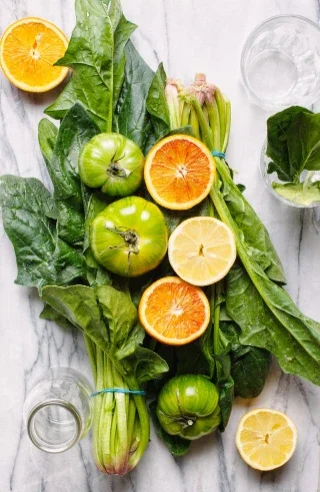
Now that you understand Korean skincare a little better, let’s talk about the other super important thing for your skin: your diet.
Diet has the last say on your skin health because, as the largest organ in the human body, skin also needs nourishment from within. Products can help fix issues like acne or pigmentation and improve texture, but for the best results, routine should be combined with a healthy diet.
A healthy diet for skin includes foods rich in vitamins, minerals, and antioxidants.
The Korean skincare routine is good, but it may not be the most practical for everyone. And that makes diet all the more important because it fixes the issues from the inside. Plus, people have evenexperienced irritation and flare-ups due to ingredient overload.
A healthy, well-balanced diet can complement any skincare routine and, to some extent, serve as a replacement.
How Diet Helps with Skincare
Your skin is directly influenced by what you eat because it relies on nutrients to repair, protect, and regenerate itself. Diets rich in antioxidants, vitamins, and healthy fats, such as fruits, vegetables, nuts, and fish, help support collagen production, improve hydration, and reduce inflammation, all of which contribute to clearer, more youthful-looking skin.
On the other hand, diets high in refined sugars, processed foods, and unhealthy fats can accelerate skin aging. It can even trigger issues like acne by promoting inflammation and breaking down collagen. So even if you follow every step of the Korean skincare routine religiously, you might end up with bad skin.
And it’s not just me saying this. It’s what science tells us. A2024 review in nutritional dermatology confirms a clear link between nutrition and skin health. Researchers in this review note that deficiencies or imbalances in diet can directly contribute to skin disorders.
Additionally,research on antioxidant-rich diets has found improvements in skin quality and even reduced acne severity and related quality-of-life issues.
Core Nutrients for Skin Health
Your body needs a range of nutrients and micronutrients to support different organs and processes. For your skin, in particular, you need:
Antioxidants (vitamins A, C, E) protect against oxidative stress (free radicals that damage skin cells and cause aging)
Healthy fats that support barrier function and elasticity (you lose that as you age)
Water-rich foods help with hydration and plumpness.
Minerals like zinc and selenium help control inflammation and speed healing.
Gut-Skin Axis
Another fascinating benefit of a healthy diet for the skin is itsimpact on gut health, which, in turn, helps regulate skin conditions.
Your gut health influences inflammation and breakouts. Foods with fiber and probiotics can help improve the microbiome. Although research on this particular link between diet and skin is limited, it still shows how central diet is to healthy, plump skin.
Where Juicing Fits Into a Skin-Focused Lifestyle
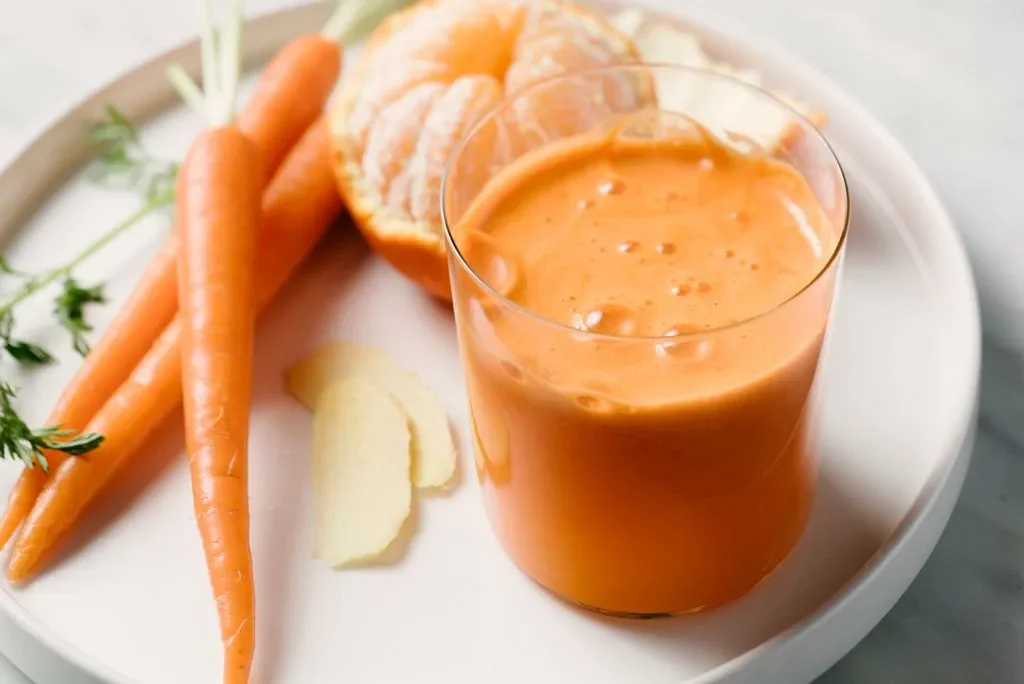
Juicing can play a supportive role in a skin-focused diet by delivering a concentrated dose of vitamins, minerals, and antioxidants. It turns fresh ingredients into an easily absorbable form. And it’s especially good at combining different sources, like veggies, herbs, and fruits, into a single glass of liquid you can drink quickly.
Fresh juices made from ingredients likeleafy greens, carrots, cucumbers, berries, and citrus fruits are rich in nutrients such as vitamin C, beta-carotene, and polyphenols, all of which are compounds known to support collagen production, fight oxidative stress, and improve overall skin tone. Because these nutrients are already broken down during juicing, the body can absorb them quickly.
Not everyone likes salads. Not everyone remembers to eat their fruits daily. And for such people, juicing can be a godsend. And if you’re one of them, it can help you support your Korean skincare routine, from within, with proper nutrition.
Why Juicing Appeals to Skincare-Conscious Consumers
If you’re someone who considers your diet to be a way to influence skin health, you’re going to love juicing. It offers a simple way to get more skin-supportive nutrients into your day, especially through cold-pressed juices, which help preserve heat-sensitive vitamins like vitamin C.
It can appeal to you for a few clear reasons:
Convenient way to increase fruit and vegetable intake: If you’re super busy with tons of meetings and chores a day, you can get your fix of veggies and fruits through juicing.
High concentration of vitamins and phytonutrients: If you’re to get more of a particular vitamin or mineral (for example, to target a skin concern), juicing can help you get a higher concentration of that.
Aligns with “beauty from within” mindset: Juicing is really all about bringing a change to your health from within, and that includes skin. It can complement your overall diet for better physical health and flawless skin.
Realistic Benefits of Juicing for Skin
Drinking juices, or really just getting the nutrients your skin needs through juicing, can do wonders. While a Korean skincare routine can strengthen your skin barrier and provide hydration, nutrients absorbed through juices can have a similar effect from within.
Again, it’s all about well-balanced nutrition, especially of essential vitamins and antioxidants. Here’s how drinking juices can help your skincare goals:
Supports Hydration (Especially Water-Rich Produce)
Juices, especially those made with high-water-content ingredients like cucumber and watermelon, can hydrate the whole body, including your skin. Staying hydrated, especially during summers is incredibly important for the skin. If you’re dehydrated from the inside, you’ll see the impact on your skin, too, through dryness.
One study looked at the effects of drinking orange juice for 10 weeks on the skin. The results showed a marginal effect with fewer wrinkles on wrists and less roughness. Of course, there are many other factors at play, but drinking juice does help with hydration.
Can Help Fill Nutritional Gaps in Busy Lifestyles
As I said before, busy individuals can find juicing highly useful. They can make up for certain nutrient deficiencies or meet specific nutrient intake requirements with a fresh glass of cold-pressed juice.
It takes much less time to drink juice than it does to eat fruits and vegetables on a plate. Similarly, not everyone has the time to fix a salad or cook a meal using fresh ingredients. So, juicing can be a quick fix for that.
Overall Glow (When Part of a Balanced Diet)
When your skin is hydrated and well-fed, it will have a visible glow. But that only happens when you have a well-balanced diet overall. Juicing alone isn’t the answer. It should be a part of your overall diet, which also accounts for other important nutrients like protein and fiber, which juices may not provide abundantly.
What Juicing Cannot Do
Juicing can be a way to improve skin through nutrition, but it’s not a magical solution. First off, it shouldn’t be the only source of nutrients. You should also be consuming whole foods and healthy protein.
Secondly, and more importantly, juicing can’t treat actual skin problems and conditions, like acne, psoriasis, or extreme dryness. For such issues, you may need to use specific skin products and even take medication, as prescribed by your doctor.
Again, juicing should be part of the solution, not the solution.
Best Korean Skincare Routine from the Inside: What Foods Should You Consume?
Convinced that diet can make a big difference to skin? Here are the foods you want to consume more of:
Fruits
Fruits are a goldmine of antioxidants (yes, those very guys that help delay aging by fighting cell damage). You can eat fresh fruit and use it to make juices to get a concentrated source of vitamins, minerals, and antioxidants.
Citrus fruits and berries are particularly rich in vitamins like A and C, which your skin loves and needs more of.
Vegetables
Don’t forget your veggies. They, too, are a great source of vitamins and especially minerals. If you’re not a big fan of veggies, especially leafy greens, juicing is the answer. Combine them with fruits, and you won’t even taste much of them in that sip.
Leafy greens, bell peppers, tomatoes, and cucumbers are particularly great for your skin. For instance, tomatoes contain an antioxidant called lycopene, which has anti-aging effects.
Herbs
Herbs are also popular in Korean skincare products. So, why not consume them directly? You can add them to your salads, meals, and drinks.
Healthy Fats
Healthy fats are also super important, as they help maintain hydration, elasticity, and barrier function in your skin. Essential fatty acids, especially omega-3s, help reduce inflammation, which can calm conditions like acne and redness while also supporting smoother, more resilient skin.
Good sources of healthy fats include fatty fish like salmon and mackerel, as well as plant-based options like avocado, nuts, seeds, and olive oil. Including these in your diet helps nourish the skin from within and complements any topical skincare routine.
By the way, you can also get your healthy fats from nut milks, which you can make at home with a Hurom juicer.
Fermented Foods
Fermented foods can also theoretically benefit your skin by supporting a healthy gut microbiome, which in turn helps regulate inflammation and improve overall skin clarity.
Foods rich in natural probiotics can strengthen the gut-skin axis, potentially reducing issues like acne, sensitivity, and dullness. A staple in Korean cuisine, kimchi is rich in beneficial bacteria, vitamins, and antioxidants that support both digestion and skin health.
Perhaps the glass skin made famous by Koreans may also have something to do with fermented foods and good gut health.
Other fermented options like yogurt, kefir, and sauerkraut offer similar benefits.
How to Integrate Juicing Into a Korean-Inspired Routine
In a Korean-inspired routine, mornings are all about hydration and gentle care, and juicing fits naturally into that philosophy.
Start your day with a fresh green juice, made from ingredients like cucumber, celery, spinach, or citrus. That can help rehydrate the body after sleep while delivering a quick boost of skin-supporting nutrients.
It pairs well with a light, balanced breakfast such as fruit, yogurt, or whole grains, reinforcing the idea of nourishing your body without overwhelming it.
Then, you can go into the Korean skincare routine steps to support your skin from the outside through topical hydration, barrier support, and daily protection. Together, the two approaches work in the same direction. One helps nourish the skin from within, while the other helps protect and maintain it on the surface.
That is really the best way to think about it. Juicing does not replace skincare, and skincare does not replace a good diet. But when you combine both, you create a more complete routine built around the same things: hydration, consistency, and long-term care.
Take the Holistic Approach with Diet and Skincare
Everyone wants great skin. While some are naturally blessed with it, many of us need some help. That’s where skincare routines and a nutritional diet play a role.
Even if you have healthy skin, it’s best to take preventive care by supplying essential nutrients, hydrating your skin, and strengthening its natural barrier. That’s the entire mantra behind the multi-step Korean skincare regimen.
As far as juicing goes, it can be another addition to your skincare routine to cause changes from within.
Explore Hurom Slow Juicers and incorporate healthy juicing in your life.
FAQ
How many steps are in the Korean skincare routine?
The Korean skincare routine uses 10 steps that layer cleansing, hydration, treatment, and protection. Core steps include a double cleanse with an oil cleanser and a water cleanser, an exfoliator, a toner, an essence, a serum, a peel-off mask, an eye cream, a moisturizer, and a sunscreen. It can be reduced to 5-7 steps based on skin type and daily needs.
What is the Korean skincare routine day and night?
The Korean skincare routine differs by time of day. Morning routine uses 5-7 steps: an oil cleanser, a water cleanser, toner, serum, moisturizer, and SPF 30-50 sunscreen. Night routine uses 7-10 steps: double cleanse, exfoliate 2-3 times weekly, apply toner, essence, serum, eye cream, and moisturizer.
Can you get glass skin through diet?
Glass skin requires hydration, collagen support, and dietary anti-inflammatory support. Consume 2-3 liters of water daily, eat vitamin C foods like citrus (75-90 mg/day), omega-3 fats, and protein (0.8-1 g/kg body weight). Diet improves skin clarity but requires skincare for full glass skin results
What juice can help improve skin?
Juices that improve skin include carrot, beetroot, and citrus blends rich in vitamins A and C. You may drink 200-300 ml daily to support collagen production and reduce oxidative stress.