How to Eat More Whole Foods Under the New FDA Guidelines (and Where Juicing Fits)
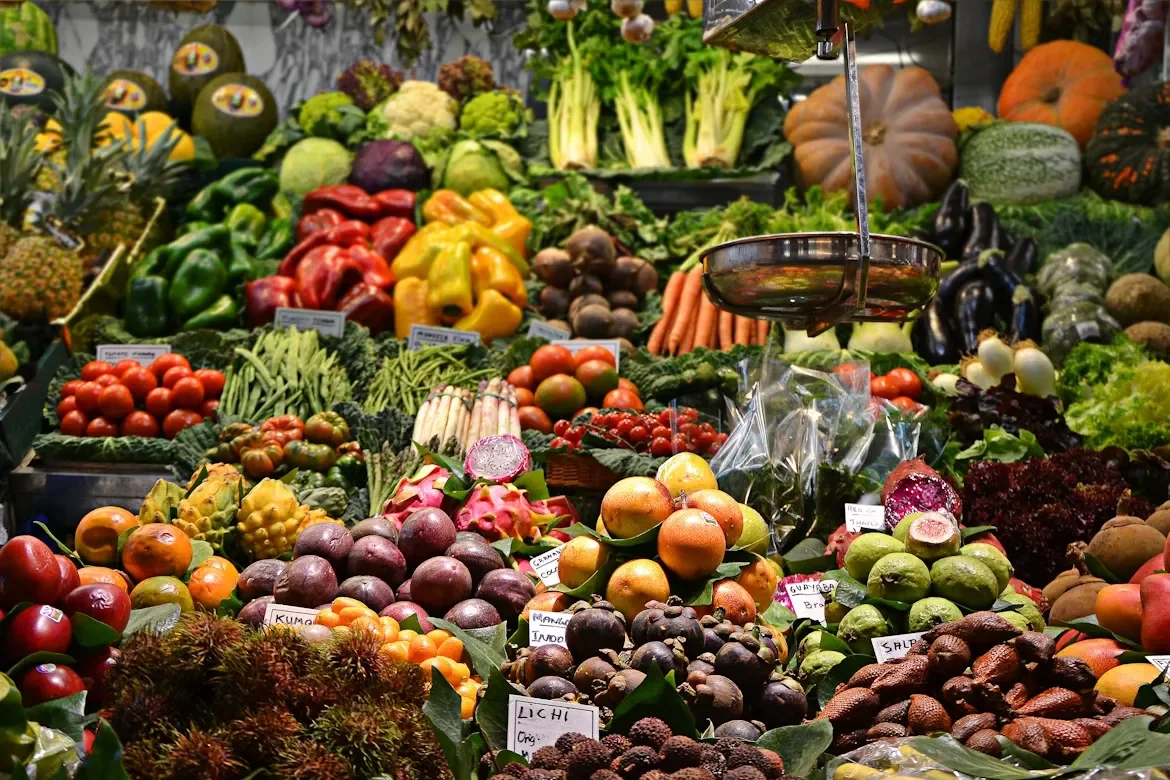
Grocery stores are filled with products that claim to be healthy, but when you look at the ingredients, there are barely any whole foods used.
Luckily, that’s about to change.
The Food and Drug Administration (FDA) is introducing new guidelines about what is considered “healthy.”
That means the food and snack game is changing, with actual healthy, whole-food snacks and meals rightly identified as ‘healthy.’
I, for one, am stoked about the new guidelines. They’ve been a long time coming, replacing the previous version that was released back in 1994.
While this is good news, the question is: where does juicing fit into all of this? Is it healthy as per the new guidelines? Plus, what else is healthy? I’ll answer all of that.
FDA’s Updated Criteria for ‘Healthy’ Claims
On December 19, 2024, the FDA announced a final rule updating what it means for a product to carry a “healthy” label claim.
The updated criteria actually consider whole-food contributions. It’s supposed to help consumers easily spot foods that truly support better eating patterns.
Under the new definition, a product must contain a meaningful amount of food from at least one of the USDA Dietary Guidelines’ core food groups or subgroups (fruits, vegetables, protein foods, dairy, grains, and oils) and must stay within specified limits for saturated fat, sodium, and added sugars.
Previously, the definition of “healthy” on food packages was based mostly on limiting specific nutrients, like fat and sodium. That meant some nutrient-dense foods couldn’t qualify simply because of their categorization (even if they had ample healthy nutrients like protein or good fats).
This change means that many foods that are a foundation of healthy eating, such as nuts and seeds, higher-fat fish like salmon, olive oil, and even water, automatically qualify as “healthy.”
For example, whole foods such as veggies or eggs couldn’t be labeled as healthy under previous criteria, but now they can.
The new goal is to align label claims with current nutrition science and federal dietary guidance and promote more whole-food diets. And I’m here for it.
What Foods Now Qualify for the FDA’s Healthy Criteria?
Under the updated FDA definition of “healthy”, foods that are naturally nutrient-dense and contribute meaningfully to recognized food groups now clearly qualify to carry a healthy claim on their packaging.
In fact, the rule says that if a food is inherently rich in good-for-you nutrients and has no added ingredients besides water, it automatically meets the criteria because of its positive contribution to overall diet quality. That includes:
Whole fruits and vegetables
Beans and lentils
Lean meats and seafood
Eggs
Nuts
Seeds
Oils with healthy fats
At the same time, products that could previously be labeled as “healthy” no longer qualify under the revised standards.
Highly processed or sugary products, things like fortified white bread, sweetened yogurts, and sugary cereals, can’t be called healthy under the new guidelines (finally!).
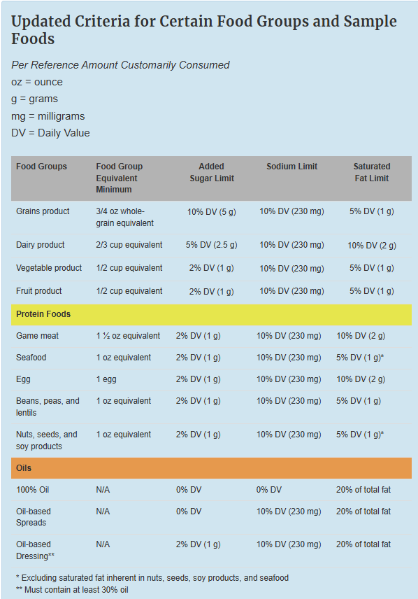
Here are the actual guidelines per food group:
What Does the Change Mean?
The FDA update on ‘healthy’ claims is a pretty dramatic shift in how “healthy” can be used in marketing, packaging, and advertising. But more importantly, its impact on people–regular joes like you and me–is going to be positive.
There will be no dubious claims, fancy lingo, or manipulated nutrition profiles that trick us into thinking we’re consuming something good for us.
So, what does this change on store shelves?
Brands Can Only Call Food and Snacks Healthy If It’s ‘Healthy’
For decades, brands could highlight a few nutrients (like “low fat” or “contains vitamin C”) and imply overall healthfulness. Now, the FDA is clearly tying the word “healthy” to real food groups and overall dietary patterns
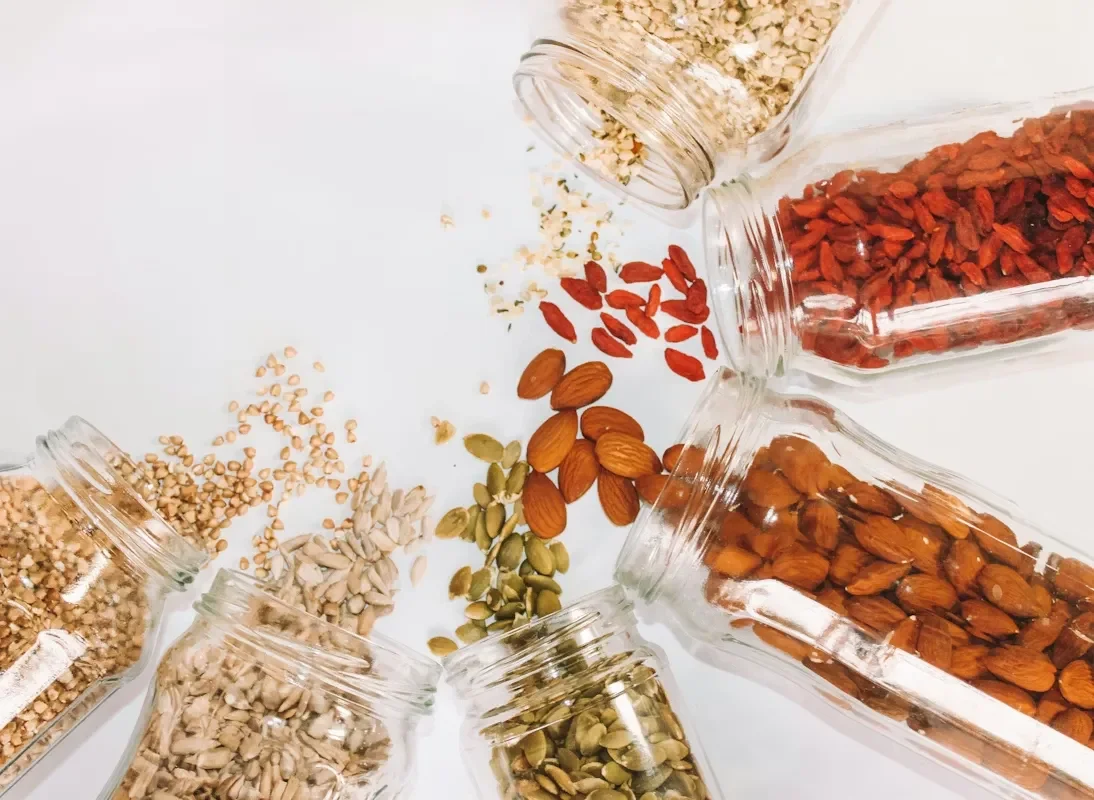
Under the updated criteria, brands can’t loosely use the word “healthy” as a vibe or a branding shortcut. If a product doesn’t contain a meaningful amount of fruits, vegetables, whole grains, protein foods, or dairy, it simply can’t qualify.
In other words, they can’t just fortify a processed snack and slap a health halo on it anymore. The claim must reflect the use of meaningful whole-food ingredients and meet limits on added sugars, sodium, and saturated fat. Woohoo!
Consumers Can Distinguish Healthy Whole Food Snacks and Groceries
For consumers, this is actually empowering.
The updated rule helps separate genuinely nutrient-dense, whole-food-based products from highly processed foods. When you see “healthy” on a package now, you will know it’s actually healthy because it contains a fair share of whole-food ingredients.
This will make it easier to spot snacks and groceries made from real ingredients like vegetables, legumes, nuts, fruits, and whole grains. It also helps avoid those that are mostly refined starches and added sugars, with a few nutrients sprinkled in.
According to the FDA’s own data, 75% of Americans have diets low in vegetables, fruits, and dairy. The update could help reduce that number, and maybe even inspire people to eat more whole veggies and fruits.
What About Juicing? Do Juices Qualify As ‘Healthy’ Under the New FDA Guidelines?
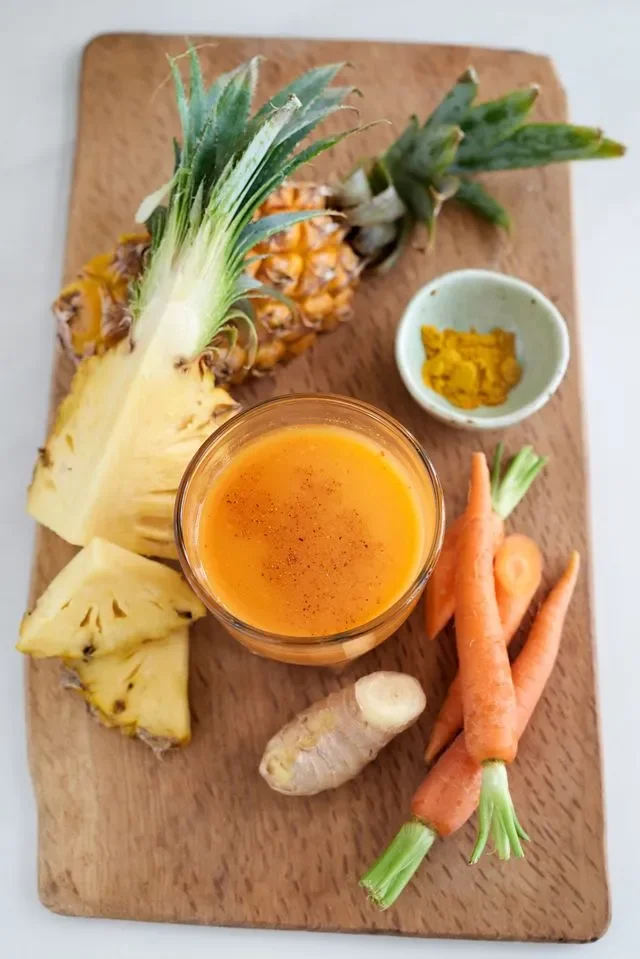
Juices, particularly store-bought varieties, have always been under debate in the nutrition world, especially regarding labeling and health claims. Some say they’re healthy because they’re made from natural ingredients, while others say they have too much sugar.
Well, the new guidelines have a clear answer to all of that.
100% fruit or vegetable juices made purely from whole produce, with no added sweeteners or artificial ingredients, naturally contribute to the fruit/vegetable food group, and they aren’t inherently laden with added sugars. Because of that, they’re well aligned with the spirit of the updated “healthy” criteria.
In short, pure juices made from real fruits and vegetables with no added sugars can qualify as healthy.
Store-bought commercial juices may not be able to claim that, though. That’s because the added sugar limit for food groups like vegetables and fruits is just 1g (2% DV).
What this means for your daily juice habit is pretty simple: fresh, 100% cold-pressed or home-made juices made entirely from whole produce are much more likely to fit the FDA’s whole-food-centric definition of healthy.
So you can continue to enjoy cold-pressed juice made in your Hurom juicer, knowing you're sipping something that adds value to your health.
Healthy Whole Food Snacks (As Per FDA Guidelines)
If we look at the FDA’s updated criteria, healthy snacks need to do two things:
Contribute meaningfully to core food groups (fruits, vegetables, whole grains, protein foods, dairy).
Stay within limits for added sugars, sodium, and saturated fat.
Here are some simple, whole-food snack ideas that align beautifully with that direction:
Carrot and cucumber sticks with hummus
A handful of unsalted nuts (almonds, walnuts, pistachios)
Plain Greek yogurt topped with berries
Hard-boiled eggs
Cottage cheese with pineapple or cherry tomatoes
A banana with peanut butter
Roasted chickpeas (lightly seasoned)
And of course, a glass of fresh juice made from 100% fruits and vegetables.
Notice the pattern? These are whole food snacks with actual produce, legumes, dairy, and protein sources. They’re actually good for you, not processed, and don’t contain added sugars or sodium.
Whole Food Snacks for Kids
Kids don’t necessarily need “kid snacks” from the grocery store that are typically highly processed and sugary. They need real food in kid-friendly formats.
Under the FDA’s whole-food emphasis, these whole-food snacks for kids make sense and contribute to fruit, vegetable, dairy, or protein intake:
Apple slices with peanut butter
Frozen grapes or mango chunks
Cheese cubes with whole-grain crackers
Banana “roll-ups” with nut butter
Mini veggie sticks with guacamole
Fresh orange wedges
Oatmeal energy bites made with oats, nut butter, and dates (no added sugar)
Sorbets made with frozen berries and fruits (Hurom juicers can make those, too)
I’m not saying you should take all the candy from your kids entirely. But adding more healthy, whole food snacks to their diet can be beneficial, and these are super easy to make at home!
And even if you’re buying snacks and foods from the store, it should now be easy to distinguish what is actually healthy. Thank you, FDA!
Protein Whole Food Snacks
I haven’t forgotten about the gymbros who look for protein even when snacking, don’t worry.
If anything, the FDA health claim guidelines are a godsend for you. High-protein food groups like fish, meat, eggs, and veggies already qualify as healthy (I know, you were right all along).
Things like plain or naturally flavored Greek yogurt, boiled eggs, cottage cheese, roasted chickpeas, edamame, and tofu cubes are high-protein, whole-food snacks.
Anyone looking to gain muscle and shed fat can chomp on these snacks knowing they’re also good for their overall health.
Fresh Cold-Press Juice Can Be a Healthy Drink (As Per FDA Guidelines)
At the end of the day, the FDA’s updated definition of healthy claims on foods sends a clear message.
Build your diet around real, recognizable foods. Fruits. Vegetables. Whole grains. Protein sources. Dairy. Less added sugar. Less sodium. Fewer ultra-processed shortcuts.
And, believe me, it’s not as restrictive as it may seem. It’s clarifying and helpful in the long run.
It also reinforces the fact that cold-pressed juice, which retains maximum nutrients and is made from whole produce, is healthy.
I’ve always said it: homemade fresh juicing is simply another way to increase your intake of whole-food ingredients. It’s not a replacement for balanced meals, but it is a practical, efficient way to get more vegetables and fruits into your day.
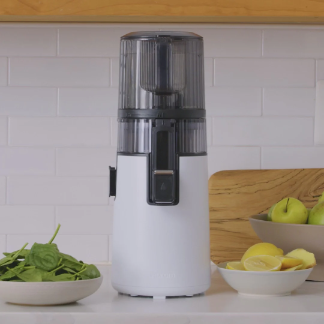
And Hurom’s award-winning juicers like the H70 make it super easy.
FAQ
How can I tell if a food product is actually healthy?
Start by checking whether it meaningfully contributes to a core food group, such as fruits, vegetables, whole grains, protein foods, or dairy. Then look at the Nutrition Facts label and ingredient list. Watch for added sugars, high sodium, and long lists of ultra-processed ingredients. If the first few ingredients are real, recognizable foods and added sugar is low, you’re usually on the right track.
Can juice products labeled healthy actually be healthy?
They can, but it depends on the ingredients. A juice made from 100% fruits and vegetables with no added sugars or artificial additives goes well with the FDA’s whole-food focus. The key is checking that it’s truly produce-based and not a sugary drink in disguise. But fresh, homemade is always better.
What are some whole food snacks that meet FDA guidelines?
Fresh fruit, raw vegetables with hummus, plain Greek yogurt with berries, unsalted nuts, hard-boiled eggs, and cottage cheese are all FDA-aligned snack options. These snacks contribute to recognized food groups while staying relatively low in added sugars and excess sodium.
What are good snacks for high blood pressure?
Snacks low in sodium and rich in potassium, fiber, and healthy fats are ideal. Try unsalted nuts, fresh fruit (like bananas or oranges), plain yogurt, oatmeal, or roasted vegetables. Avoid heavily salted packaged snacks and processed meats, which can quickly raise sodium intake.
What should I eat if I crave junk foods?
Instead of fighting the craving, try upgrading it. If you want something crunchy, go for roasted chickpeas or nuts. If you want something sweet, try fruit with nut butter or yogurt with berries. Cravings are about texture and flavor, and whole foods can satisfy both.